Unlocking Oceanic Depth: A Guide to the Mermaid 3D Layered SVG Laser Cut File
The intersection of digital design and physical craftsmanship has revolutionized how creators produce home décor, educational tools, and artistic installations. Among the most captivating trends in this space is the creation of multi-dimensional wall art using laser cutting technology. At the heart of this movement lies the Mermaid 3D Layered SVG Laser Cut File, a sophisticated digital asset designed to transform flat materials into immersive underwater scenes. This guide explores the technical intricacies, creative applications, and practical considerations of utilizing these layered vector files to bring the enchanting world of mythical creatures to life.
The Mechanics of Dimensional Storytelling
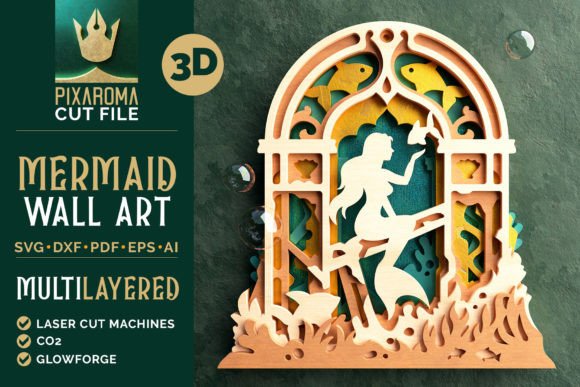
Traditional laser cutting often produces two-dimensional silhouettes or intricate fretwork. However, the true potential of modern CO2 lasers and diode cutters like the Glowforge is realized through layering. A Mermaid 3D Layered SVG Laser Cut File is not a single image but a composite of multiple distinct vectors, typically organized into six separate layers. Each layer represents a specific depth plane within the final composition, ranging from the foreground elements, such as the mermaid's tail and immediate flora, to the distant background details like bubbles and deep-sea shadows.
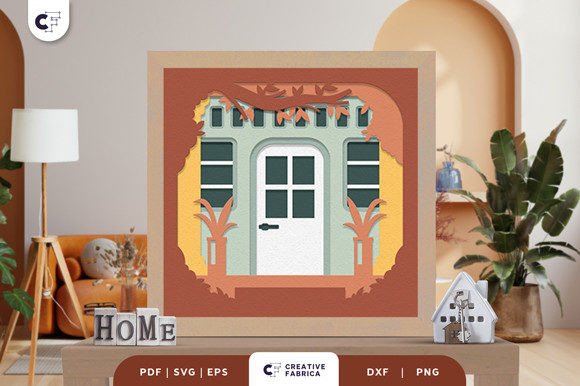
When these layers are cut from materials like plywood, acrylic, or MDF and stacked with spacers between them, they create a parallax effect. This optical phenomenon gives the viewer the sensation of looking into a window rather than at a flat surface. The spacing allows light to cast dynamic shadows across the different tiers, enhancing the perception of volume and movement. For the creator, understanding this mechanics is crucial; the design file provides the roadmap, but the assembly process determines the final visual impact. The inclusion of both vector formats (SVG, DXF, AI, EPS) and raster images (JPG, PNG) ensures compatibility with a wide array of software ecosystems, from professional CAD programs to user-friendly crafting interfaces.
Material Selection and Structural Integrity
Choosing the right substrate is as important as the design file itself when working with a Mermaid 3D Layered SVG Laser Cut File. While Baltic birch plywood is the industry standard for its clean edges and consistent grain, other materials offer unique aesthetic qualities. Acrylic sheets, for instance, can mimic the translucency of water, especially when backlit, turning the artwork into a glowing night light or a vibrant display piece. Paper and cardstock are excellent for rapid prototyping or creating delicate, lightweight versions suitable for framing under glass.
Structural integrity becomes a primary consideration when stacking six layers. The weight of the accumulated material requires a robust mounting strategy. Creators often use a deep-shadow box frame to house the finished piece, protecting the delicate protruding elements while providing a finished look. Alternatively, hidden cleats or French cleats can be attached to the rear of the base layer for secure wall mounting. It is essential to account for the total thickness of the stack plus the spacing material—often small squares of the same material or specialized standoffs—when calculating the dimensions of the frame or mounting hardware. The precision of the laser cutter ensures that registration marks or alignment tabs, if included in the file, fit perfectly, maintaining the intended alignment of the mermaid's form across all depths.
Diverse Applications Beyond Home Décor
While the primary use case for these files is undoubtedly stunning wall art, the versatility of the Mermaid 3D Layered SVG Laser Cut File extends far beyond living room decoration. Educators and museum curators can utilize these designs to create tactile learning aids. For marine biology classes or mythology workshops, a large-scale 3D model serves as an engaging focal point that encourages students to explore themes of ocean conservation, folklore, and artistic geometry. The layered nature of the file allows instructors to disassemble the piece, teaching students about spatial relationships and the construction of complex forms from simple planes.
In the commercial sector, small business owners and Etsy sellers find immense value in these assets. The license to sell physical projects made from these files opens up revenue streams for crafters. A finished mermaid scene can command a significant price point due to the labor intensity and the perceived value of handmade, custom art. Furthermore, these designs are adaptable for event styling. Imagine a baby shower with an "Under the Sea" theme where the centerpiece is a custom-cut 3D mermaid sculpture, or a theater production requiring lightweight yet visually deep set pieces. The ability to scale the vector files without loss of quality means the same design can be adapted for a small gift box lid or a massive lobby installation.
Technical Workflow for Optimal Results
Successfully executing a project with a Mermaid 3D Layered SVG Laser Cut File requires a disciplined workflow. Upon downloading the ZIP archive, the first step is organization. Users should extract all file types and review the documentation to understand the specific layer order. Importing the SVG or DXF into the laser cutting software allows for the assignment of specific power and speed settings for each layer. Often, the background layers may require different engraving settings to create texture, while the foreground layers need precise cutting paths.
Test cuts are highly recommended, especially when experimenting with new materials. A small section of the most intricate part of the mermaid's tail or the surrounding seaweed should be cut first to verify that the kerf (the width of the burn line) does not compromise the structural connections or the fit of the layers. Once the settings are dialed in, the full cut can proceed. Post-processing is equally vital; sanding the edges of wood layers removes soot and reveals the natural grain, while polishing acrylic edges restores clarity. The assembly phase should be done on a clean, flat surface, using wood glue or acrylic cement applied sparingly to avoid visible residue that could detract from the magical illusion of the underwater scene.
The Role of Digital Precision in Modern Craft
The availability of high-quality digital files like the Mermaid 3D Layered SVG Laser Cut File democratizes access to professional-grade design. In the past, creating a multi-layered relief sculpture required hours of manual carving, molding, and assembly. Today, the intellectual heavy lifting regarding proportions, negative space, and layer separation is handled within the digital vector environment. This shift allows hobbyists and professionals alike to focus on the tactile aspects of creation: material selection, finishing techniques, and presentation.
Moreover, the inclusion of raster files (JPG, PNG) alongside vectors supports a hybrid approach to creation. A crafter might use the raster image as a reference for hand-painting the layers before assembly, adding a splash of color to the natural wood tones. Alternatively, the raster file can be used for sublimation printing onto coated metals or ceramics, expanding the product line beyond traditional cut materials. This flexibility ensures that the design remains relevant across different crafting modalities and technological advancements.
Considerations for Commercial Use and Licensing
For those intending to monetize their creations, understanding the licensing terms associated with the Mermaid 3D Layered SVG Laser Cut File is paramount. Most reputable designers allow the sale of physical finished goods, enabling makers to build businesses around these designs. However, it is strictly prohibited to redistribute the digital files themselves. This distinction protects the intellectual property of the original artist while fostering a healthy ecosystem where creators are compensated for their design work, and manufacturers are compensated for their labor and materials.
Business owners should also consider branding opportunities. A unique mermaid sculpture can serve as a signature piece for a brand focused on nautical themes, fantasy literature, or children's products. Customization is key; altering the size, material, or finish allows each seller to offer a unique product even when starting with the same base file. This adaptability prevents market saturation with identical items and encourages innovation within the maker community.
Preserving the Magic Through Careful Execution
The allure of the mermaid mythos relies heavily on the sense of mystery and depth. When translating this into a physical object via laser cutting, attention to detail separates a good project from a masterpiece. The interplay of light and shadow in a six-layer design is subtle; improper spacing can flatten the image, while excessive spacing can make the piece unwieldy. Creators must experiment with spacer thicknesses, typically ranging from 3mm to 6mm, to find the sweet spot that maximizes the 3D effect without compromising stability.
Furthermore, the environment where the art is displayed plays a role in its effectiveness. Placing the finished Mermaid 3D Layered SVG Laser Cut File project in an area with directional lighting can dramatically enhance the shadow play, making the seaweed appear to sway and the mermaid seem to emerge from the depths. For interactive displays, integrating LED strips behind the back layer can simulate sunlight filtering through the ocean surface, adding a dynamic element to the static sculpture.
In conclusion, the fusion of mythical storytelling and precision engineering found in layered laser cut files represents a pinnacle of modern DIY culture. Whether used for personal enrichment, educational demonstration, or commercial enterprise, the Mermaid 3D Layered SVG Laser Cut File offers a robust platform for creativity. By mastering the technical requirements of layering, material science, and assembly, creators can produce works of art that do more than decorate a space—they transport the viewer to an enchanting underwater realm, proving that digital files can indeed yield profoundly tangible magic.