Elevate Your Space with 3D Home Sweet Home Decor
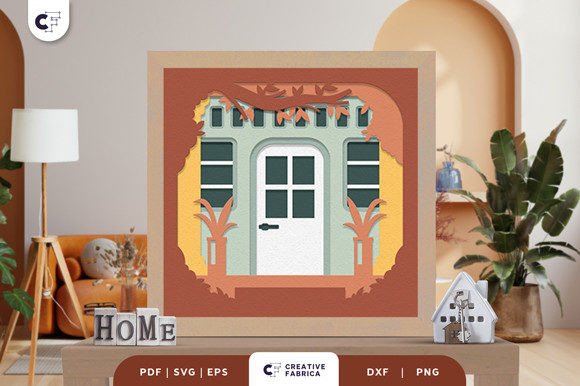
There is a specific kind of warmth that only a handmade touch can bring to a living space. In the world of interior design and personal crafting, few phrases resonate as deeply as "Home Sweet Home." When this sentiment is translated into a Home Sweet Home 3d Wall Decor Laser Cut piece, it transforms from a simple saying into a tangible focal point. This isn't just about sticking a decal on a wall; it is about creating depth, shadow, and texture that flat prints simply cannot achieve. The layered approach allows light to play across the different levels of the design, casting subtle shadows that change throughout the day, giving the room a dynamic and inviting personality.
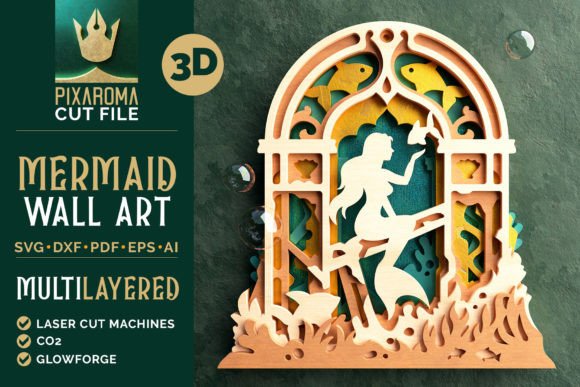
For designers, crafters, and small business owners, understanding the mechanics behind these multi-layered designs is crucial. The appeal lies in the complexity of the assembly. A typical project involves stacking several sheets of wood, acrylic, or cardstock, each cut to a specific pattern that reveals parts of the layer beneath. This technique creates a pseudo-3D effect that draws the eye in. Whether you are a hobbyist looking to upgrade your own entryway or an entrepreneur selling custom home goods on platforms like Etsy, the Home sweet home Laser Cut File SVG Cricut ecosystem provides the foundational assets needed to execute these projects with precision.
The Visual Language of Layered Typography
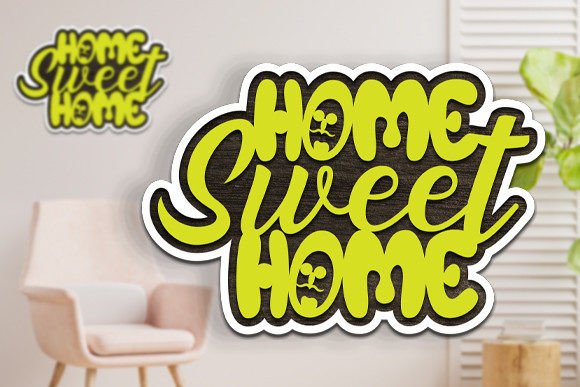
When we discuss the aesthetic of these projects, we are often talking about a blend of modern typography and traditional craftsmanship. The fonts used in these layered designs tend to strike a balance between readability and decorative flair. You might see a bold sans serif font providing the structural base, overlaid with a delicate script font or a playful handwritten font for the accent words. This contrast is what gives the piece its character. It feels contemporary yet timeless, fitting seamlessly into farmhouse, modern minimalist, or eclectic interiors.
The visual hierarchy in a Home Sweet Home 3d Wall Decor Laser Cut is established through physical depth rather than just color or size. The bottom layers often serve as the anchor, while the top layers highlight specific letters or decorative elements like vines, flowers, or geometric patterns. This physical stacking mimics the principles of good editorial design, where spacing and weight guide the viewer's eye. For a brand strategist or marketer, this is a powerful lesson in dimensionality. It shows how adding a literal third dimension to a brand identity element can increase perceived value and engagement.
Furthermore, the versatility of the file formats available ensures that these designs are not limited to one machine or material. A comprehensive package usually includes an SVG FILE for users of Cricut and Silhouette machines, which is ideal for vinyl, paper, and thin woods. For those working with industrial lasers or CAD software, the inclusion of DWG FILE and DXF formats is essential. These vector files allow for precise scaling and editing within Autodesk applications, ensuring that the intricate details of the cut remain sharp regardless of the final size. Having access to AI vector files and EPS FILE formats also means that graphic designers can easily incorporate elements of the design into broader marketing materials, such as logos or packaging, maintaining consistency across digital and physical touchpoints.
Strategic Applications for Creators and Businesses
The utility of a Home sweet home Wall decor laser cut file extends far beyond a single weekend project. For content creators and bloggers, these designs offer excellent opportunities for tutorial content, showcasing the step-by-step process of assembly, painting, and finishing. The visual nature of the final product performs exceptionally well on social media platforms like Instagram and Pinterest, where texture and lighting are key drivers of engagement. A well-lit photo of a finished 3D sign can serve as a powerful portfolio piece for a maker, demonstrating technical skill and design sensibility.
In the realm of commercial ventures, these files act as a springboard for product lines. Small business owners can produce batches of these signs for local craft fairs or online stores. Because the design is modular, it allows for customization. You might offer different wood stains, acrylic colors, or even swap out the central phrase while keeping the surrounding decorative layers intact. This adaptability is vital for packaging design and product variation. Additionally, the high-resolution HIGH PNG FILE and JPG FILE included in many bundles allow sellers to create realistic mockups for their online listings without needing to photograph every single color variation physically.
From a branding perspective, using a consistent typographic style across your products helps build recognition. If your shop specializes in warm, welcoming home goods, the "Home Sweet Home" motif becomes a signature. It signals to customers exactly what your brand stands for: comfort, family, and quality craftsmanship. When potential clients see a cohesive collection of items utilizing similar font pairing strategies and material choices, it reinforces professionalism. It tells them that you understand modern typography and care about the details, which justifies a higher price point compared to mass-produced alternatives.
Practical Guidance for Selection and Execution
Choosing the right file and executing the project requires a bit of forethought. First, evaluate the complexity of the Layered Laser Cutting design. Some files may have ten or more layers, which looks stunning but requires significant time to glue and align. For a beginner, starting with a design that has three to five distinct layers is often more manageable and still yields impressive results. Always check the file compatibility with your specific equipment. While an SVG FILE is standard for consumer cutters, ensure your laser cutter software can interpret the nodes correctly if you are using a DXF or DWG file.
Material selection plays a huge role in the final outcome. Baltic birch plywood is a favorite for its clean edges and lack of voids, which is critical when the side profile of the layers is visible. However, painted MDF or colored acrylic can offer a more modern, pop-art vibe. When testing font pairings within the design, consider the legibility from a distance. A display font might look gorgeous up close but could lose its impact if the strokes are too thin for the material thickness. Always do a test cut on scrap material to verify that the intricate bridges and connections in the vector file hold up during the cutting process.
Licensing is another critical factor, especially for entrepreneurs. Before selling items made from a commercial font or design asset, review the license terms carefully. Most creators offer a commercial license that allows you to sell physical end-products, but restrictions may apply to reselling the digital files themselves. Respecting these boundaries protects the original designer and ensures the sustainability of the creative community. If you are unsure about the terms, the best practice is to reach out directly. As noted in many product descriptions, if you have any questions, sending a message to the creator is the most reliable way to get clarity.
Ultimately, the goal is to create something that feels personal and high-quality. Whether you are designing a logo design inspired by these shapes or cutting a physical sign for your own hallway, the attention to detail matters. The interplay of light and shadow in a 3D wall decor piece adds a level of sophistication that flat art lacks. By leveraging the right tools—be it a Cricut, a laser cutter, or professional CAD software—and selecting the appropriate design assets, you can produce work that resonates with audiences and stands the test of time. Thank you for visiting and exploring the possibilities of layered design; with the right approach, your next project could be the centerpiece that defines a room.