Evaluating the Open Book with Flowers 3D Light Box for Home Decor
For individuals seeking to enhance their personal library or living space with a unique artistic element, the Open Book with Flowers 3D Light Box presents a compelling option. This project combines the literary charm of an open book with intricate botanical details, creating a layered shadow box effect that adds depth and visual interest to any room. Unlike mass-produced wall art, this papercut design offers a customizable approach to decor, allowing creators to tailor the aesthetic to their specific environment. Understanding the components, requirements, and potential outcomes of this project is essential for determining if it aligns with your crafting goals and interior design needs.
Understanding the Design and Aesthetic Appeal
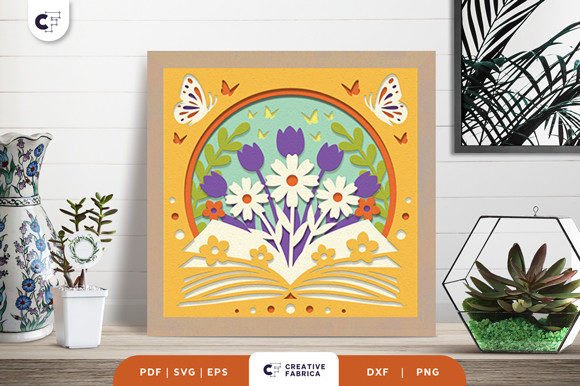
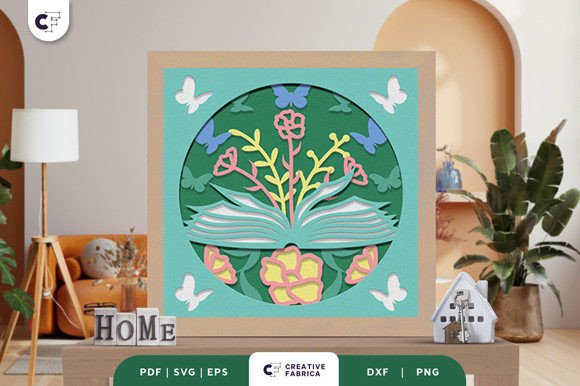
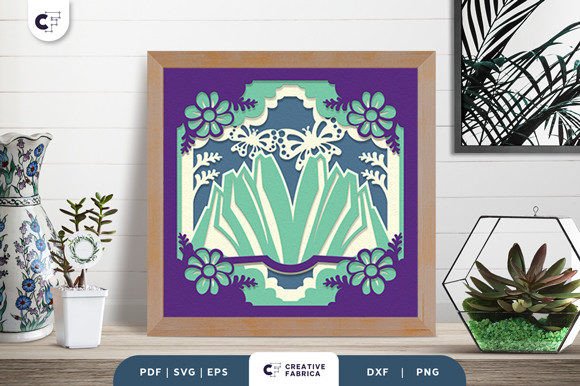
The core concept behind the Books and Flowers 3D Shadow Box is the creation of dimensionality through layering. The design features an open book surrounded by detailed floral elements and butterflies, arranged across multiple planes to simulate depth. When assembled, typically within a deep-set frame, these layers cast subtle shadows against one another, enhancing the three-dimensional illusion. This technique, known as papercutting or paper layering, transforms flat cardstock into a dynamic scene that changes appearance depending on the viewing angle and lighting conditions.
One of the primary reasons crafters and homeowners are drawn to the Open Book with Flowers 3D Light Box is its versatility. The design serves as a neutral yet sophisticated focal point that can complement various interior styles, from cottagecore and vintage to modern minimalist. Because the project relies on paper color rather than printed ink for its primary visual impact, it offers significant flexibility. You can construct the shadow box in any color palette, ensuring it integrates seamlessly with existing furniture, wall colors, or bookshelf arrangements. Whether you prefer soft pastels for a gentle ambiance or bold, contrasting hues for a dramatic statement, the design adapts to your vision.
Technical Requirements and Material Considerations
Before committing to this project, it is important to evaluate the technical requirements and material needs. Creating a high-quality 3D shadow box requires specific tools and supplies to achieve the intended structural integrity and visual clarity. The foundational requirement is a digital cutting machine, such as a Cricut or Silhouette. These devices are necessary to precisely cut the intricate details found in the floral and butterfly elements, which would be exceptionally difficult and time-consuming to replicate by hand.
The project files are typically provided in multiple formats, including SVG, PDF, EPS, PNG, and DXF, ensuring compatibility with various software platforms and cutting machines. The design consists of four distinct layers, each contributing to the overall depth of the piece. The standard size for this project is approximately 20.32×20.32 cm (8x8 inches), making it suitable for small to medium-sized frames without overwhelming a shelf or wall space.
Material selection plays a critical role in the final outcome. To maintain the structural rigidity required for a standing 3D effect, heavy-weight cardstock is recommended. Specifically, Encore Cardstock 80 lb cover (216 gsm) is often cited as an ideal choice. This weight provides enough thickness to hold its shape when lifted by adhesive spacers while remaining thin enough to be cut cleanly by standard machines. Using lighter weight paper may result in warping or a lack of definition between the layers, diminishing the 3D effect. Conversely, paper that is too thick may be difficult to layer effectively within a standard depth frame.
Assembly and Enhancement Options
The assembly process involves more than simply stacking paper; it requires strategic spacing to create the shadow effect. 3D adhesive, such as foam double-sided tape, is essential for separating the layers. The thickness of the foam tape determines the depth of the shadows and the overall projection of the design. Crafters must decide how much separation they desire; greater distance between layers creates deeper shadows but requires a deeper frame.
While the shadow box is visually striking under ambient room lighting, many creators choose to incorporate LED lights to elevate the piece into a light box. Adding a battery-operated LED strip along the inner edge of the frame can illuminate the layers from behind or the side, highlighting the translucency of the paper and accentuating the cut-out details. This addition transforms the decor from a static image into a glowing feature, particularly effective in dimly lit reading nooks or evening settings. However, adding lights introduces additional considerations, such as battery access and heat management, which should be planned during the framing stage.
Ideal Use Cases and Situational Fit
The Open Book with Flowers 3D Light Box is a strong fit for several specific scenarios. It is an excellent choice for private libraries, home offices, or study areas where a literary theme is desired. The imagery of an open book resonates naturally in these spaces, serving as a tribute to reading and knowledge. Additionally, because the project allows for complete color customization, it is well-suited for gift-giving. A creator can match the recipient's favorite colors or the decor of their specific room, adding a personal touch that pre-made art cannot offer.
This project also appeals to those who enjoy the process of crafting as much as the final result. It provides a structured yet creative outlet for using digital cutting machines, allowing users to experiment with paper textures and color theory. For individuals looking to step up their comfort space with a DIY project that feels professional upon completion, this shadow box strikes a balance between accessibility and sophistication.
Tradeoffs and Alternative Considerations
Despite its advantages, there are tradeoffs to consider. The primary investment is time and equipment. If you do not already own a cutting machine, the cost of acquiring one solely for this project may not be justifiable unless you plan to undertake more digital crafting in the future. Furthermore, the assembly requires patience and precision; misaligning the layers can disrupt the visual flow of the flowers and butterflies.
Another consideration is the dependency on framing. To achieve the "light box" or deep shadow effect, a specialty frame with sufficient depth is required. Standard picture frames designed for flat photos will not accommodate the four layers of cardstock plus the adhesive spacing. Sourcing a deep-set shadow box frame can sometimes be more challenging or costly than finding a standard frame.
For those who prefer instant results or lack the necessary tools, alternatives such as pre-assembled metal wall art or printed canvas might be worth considering. While these options lack the customizability and tactile depth of the papercut version, they offer immediate deployment without the learning curve. However, for those willing to invest the effort, the Books and Flowers 3D Shadow Box offers a level of artisanal quality and personalization that mass-produced alternatives cannot match.
Making the Decision
Ultimately, deciding to create the Open Book with Flowers 3D Light Box depends on your willingness to engage in the crafting process and your desire for customized decor. If you have access to a cutting machine, enjoy working with paper, and seek a unique piece that reflects your personal style, this project is a highly viable option. It bridges the gap between functional decor and artistic expression, offering a tangible way to celebrate a love for books and nature. By carefully selecting materials like 80 lb cardstock and planning for appropriate framing and lighting, you can ensure the final product meets your expectations and enhances your space effectively.