Elevating Modern Interiors: The Strategic Appeal of the Geometric Circular Flower 3D Paper Cut
In an era where digital saturation dominates our daily visual consumption, there is a profound and growing counter-movement toward tangible, handcrafted aesthetics. Professionals, creators, and interior design enthusiasts are increasingly seeking artifacts that bridge the gap between traditional craftsmanship and contemporary design sensibilities. At the forefront of this shift is the Geometric Circular Flower 3D Paper Cut, a medium that transforms simple cardstock into sophisticated, multi-dimensional art. This is not merely a craft project; it represents a convergence of precision technology, artistic expression, and the evolving demands of modern home decor.
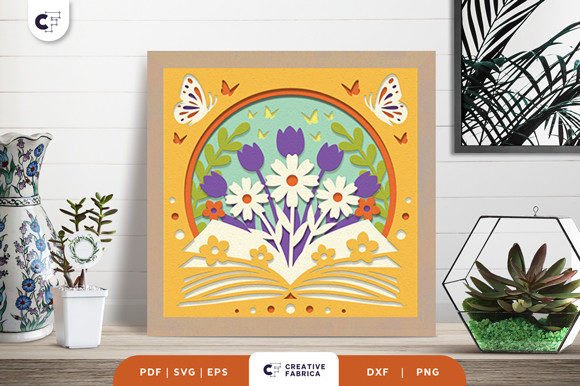
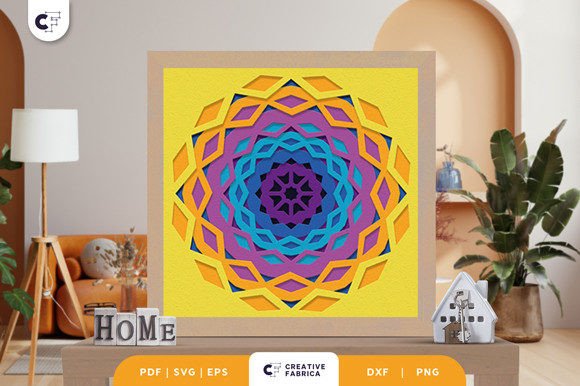
For those looking to curate beautiful and unique artwork for display, the Geometrical Floral 3D Shadow Box serves as the perfect match. This piece features a mandala-inspired floral ornament reimagined with a distinctively modern art twist. Unlike flat prints or mass-produced wall hangings, the intricate details of this format create a high-quality perception of depth and texture. Furthermore, the ability to customize colors allows the piece to possess a personality that aligns seamlessly with specific taste profiles and brand identities, making it a versatile asset for both personal spaces and commercial environments.
The Intersection of Precision Technology and Artistic Tradition
The resurgence of paper cutting as a premium decorative element is largely driven by advancements in accessible fabrication technology. What was once a labor-intensive process requiring hours of manual slicing with an X-Acto knife has been revolutionized by digital cutting machines. To execute a Geometric Circular Flower 3D Paper Cut effectively, creators utilize tools such as Cricut or Silhouette. These devices interpret complex vector data to slice through layers of material with micron-level precision, enabling the creation of geometries that would be nearly impossible to achieve consistently by hand.
This technological integration appeals directly to entrepreneurs and freelancers who operate in the maker economy. It lowers the barrier to entry for producing high-end goods while maintaining the "handmade" allure that consumers crave. The workflow involves layering precise cuts using 3D adhesive, such as foam double-sided tape, to build volume. This method transforms a two-dimensional design into a sculptural object. When framed, and optionally enhanced with LED lighting, the shadow box effect casts dynamic shadows that change throughout the day, adding a kinetic quality to static wall art.
The technical specifications of such projects often demand high-grade materials to ensure structural integrity and visual fidelity. For instance, utilizing Encore Cardstock 80 lb cover (216 gsm) is critical. This weight provides the necessary rigidity to hold the 3D shape without warping, while still being pliable enough for intricate cutting. The choice of material underscores a broader industry trend where the quality of inputs is just as important as the design itself. Consumers are becoming more educated about materials, expecting durability and a premium feel that lightweight papers cannot provide.
Market Trends: The Demand for Personalization and Depth
Why is the market paying such close attention to the Geometric Circular Flower 3D Paper Cut? The answer lies in shifting consumer preferences regarding home and office environments. As remote work becomes a permanent fixture for many professionals, the boundary between living space and workspace has blurred. There is a heightened desire for environments that inspire creativity and convey a sense of curated sophistication. Flat, generic decor no longer suffices; people seek pieces that tell a story and exhibit depth.
The mandala-inspired nature of these designs taps into a cultural appreciation for symmetry, balance, and mindfulness. However, the "modern art twist" mentioned in contemporary designs ensures that these pieces do not feel dated or overly traditional. They fit comfortably within minimalist, Scandinavian, and even industrial interior design schemes. This versatility makes them highly relevant for interior designers and stagers who need adaptable assets that can elevate a room's aesthetic without clashing with existing furniture.
Moreover, the customizable nature of these shadow boxes addresses the growing demand for personalization. In a marketplace flooded with identical big-box store items, the ability to select specific color palettes gives the owner agency over their environment. Whether matching a corporate brand's color scheme for a lobby installation or coordinating with a bedroom's accent colors, the Geometric Circular Flower 3D Paper Cut offers a bespoke solution. This level of customization is a key driver in the premium craft sector, where uniqueness is valued over uniformity.
Workflow and Production Insights for Creators
For creators and small business owners looking to integrate this medium into their product lineup, understanding the production workflow is essential. The process begins with digital files, typically available in formats such as SVG, PDF, EPS, PNG, and DXF. These formats ensure compatibility across various design software and cutting hardware. A standard high-quality design, such as the one described here, often consists of around seven distinct layers. This layering is what generates the signature 3D effect, creating a visual rhythm that draws the eye inward.
The assembly process requires patience and an eye for detail. Each layer must be aligned perfectly before adhering it to the next using foam tape. The thickness of the tape determines the overall depth of the shadow box, allowing the creator to control the intensity of the shadows. For those aiming for a truly standout piece, the integration of LED lights can transform the artwork into a luminous feature. This adds a functional dimension to the decor, serving as ambient lighting while highlighting the geometric intricacies of the cut patterns.
It is important to note that while digital previews provide a clear vision of the final product, the physical reality may vary slightly due to lighting sources and the specific texture of the paper used. This variance is not a defect but a characteristic of analog media, adding to the charm and authenticity of the piece. Professionals managing client expectations should communicate that the tactile experience of the final product often exceeds the flat representation seen on screens.
Strategic Applications Beyond Home Decor
While the primary application of the Geometric Circular Flower 3D Paper Cut is home decoration, its utility extends far beyond residential walls. Marketing agencies and event planners are increasingly utilizing these structures for experiential marketing campaigns. The tactile nature of paper cuts invites interaction, making them excellent focal points for trade show booths, product launches, or pop-up retail experiences. Their lightweight nature facilitates easy transport and installation, a logistical advantage over heavier sculptural materials.
In the realm of hospitality, hotels and restaurants use these shadow boxes to create Instagrammable moments that encourage social sharing. The interplay of light and shadow in these pieces creates dynamic backdrops that photograph exceptionally well, driving organic user-generated content. For photographers and content creators, these pieces serve as versatile props that add texture and depth to flat-lay compositions and portrait backgrounds.
Furthermore, the educational sector has found value in these designs. They serve as practical examples of geometry, symmetry, and engineering principles in STEAM (Science, Technology, Engineering, Arts, and Mathematics) curricula. Students can analyze the structural integrity required to maintain the 3D form and explore the mathematical ratios inherent in mandala designs.
Conclusion: A Lasting Impact on Visual Culture
The Geometric Circular Flower 3D Paper Cut is more than a fleeting trend; it is a testament to the enduring power of paper as a medium for artistic expression. By combining the precision of modern cutting technology with the timeless appeal of floral and geometric motifs, this art form meets the contemporary need for depth, customization, and authenticity. Whether utilized as a centerpiece in a living room, a branding element in a corporate office, or a product in a creative entrepreneur's portfolio, these shadow boxes offer a unique blend of elegance and innovation.
As we move forward, the expectation for higher quality, more personalized, and visually engaging decor will only intensify. The ability to produce such intricate works efficiently positions this medium as a staple in the future of interior design and creative commerce. For those ready to embrace this fusion of art and technology, the resources are readily available. From the specific 12×12 Cardstock Shop for premium materials to the diverse file formats that enable immediate production, the pathway to creating stunning 3D art is open. Embracing this medium allows creators and consumers alike to participate in a movement that values the beauty of the handmade in a digital world.