Creating Depth and Warmth with the Stack of Books 3D Layered Paper Cut SVG
There is a distinct comfort found in the sight of a well-loved book pile. It signals relaxation, knowledge, and the quiet joy of getting lost in a story. When you translate that feeling into home décor, specifically through a Stack of Books 3D Layered Paper Cut SVG, you create more than just wall art; you create an atmosphere. This specific design, often realized as a paneled shadow box, serves as an attractive and welcoming addition to any bedroom or reading nook. However, moving from a digital file to a stunning physical piece requires attention to detail. Many crafters rush the process or overlook critical specifications, resulting in a project that lacks the intended depth or structural integrity. By understanding the nuances of layered paper crafting, you can ensure your final product honors the artistic vision of the original design.
Understanding the Design and Its Potential
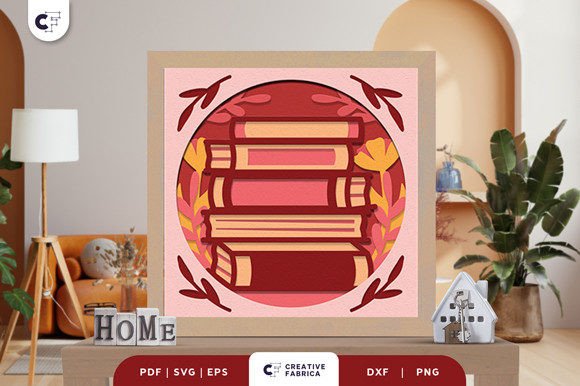
The appeal of the Book Stacks 3D Shadow Box lies in its complexity and simplicity working in tandem. The design typically features seven distinct layers of paper cuts that build upon one another to create a tangible sense of depth. Various relaxing hobbies are symbolized by the pile of books, often accompanied by elements like a floral circle template that softens the geometric lines of the stacked spines. This isn't just a flat image; it is a sculpture made of cardstock.
When executed correctly, the interplay of light and shadow across these seven layers brings the scene to life. The artistically framed decoration becomes a focal point that invites conversation. Yet, the transition from a screen to a shadow box is where many enthusiasts encounter hurdles. The digital file is merely the blueprint; the quality of the build depends entirely on the creator's approach to materials, assembly, and preparation.
Common Pitfalls in Material Selection and Preparation
One of the most frequent mistakes makers encounter is underestimating the importance of paper weight. In 3D layering, the structural integrity of each tier is paramount. If the cardstock is too thin, the layers will bow, sag, or fail to hold the spacing required for the 3D effect. Conversely, if the paper is too thick, it may jam cutting machines or make intricate details impossible to weed without tearing.
To avoid this, always verify the recommended material specifications. For a project of this nature, Encore Cardstock 80 lb cover (216 gsm) is often the gold standard. This weight provides enough rigidity to stand away from the backing while remaining flexible enough for clean cuts. Using standard printer paper or lightweight scrapbook paper will result in a flat, disappointing finish that fails to capture the "shadow box" aesthetic. Before you begin, check your stash or visit a trusted supplier to ensure you have the correct 80 lb cover stock. This small investment in materials drastically alters the professional quality of the final piece.
The Danger of Skipping the Test Cut
Another overlooked step is the refusal to perform a test cut. Even if you have used a specific machine for years, every batch of paper and every blade has slight variations. Diving straight into cutting all seven layers of your Stack of Books 3D Layered Paper Cut SVG without testing can lead to wasted materials and frustration. A small 2x2 inch test square allows you to dial in pressure and speed settings. Ensure that the intricate curves of the floral circle template and the sharp corners of the book spines cut cleanly without perforating the mat. This simple precaution saves time and money in the long run.
Navigating File Formats and Compatibility
When downloading digital assets, users often grab the first file type they see without considering their specific workflow. The Stack of Books design is typically available in multiple formats, including SVG, PDF, EPS, PNG, and DXF. Choosing the wrong one can limit your editing capabilities or reduce image quality.
- SVG: Ideal for Cricut and Silhouette users who need scalable vector paths for clean cutting.
- PDF: Best for those printing templates to cut by hand or using machines that prefer rasterized high-res inputs.
- EPS/DXF: Necessary for professional-grade plotters or older software versions.
- PNG: Useful for previewing or sublimation projects, but not suitable for precise die-cutting.
Selecting a PNG for a cutting machine, for instance, forces the software to trace the image, often resulting in jagged edges or missed details. Always match the file format to your equipment to ensure the crisp lines necessary for a professional look.
Assembly Errors That Compromise Depth
The assembly phase is where the magic happens, but it is also where the project can go wrong. The primary issue here is inconsistent spacing. The beauty of a 7-layer shadow box comes from the uniform distance between each sheet. If you apply glue haphazardly or use adhesive that compresses too much, the layers will collapse together, destroying the 3D illusion.
To maintain consistent depth, use foam adhesive squares or precise strips of double-sided tape rather than liquid glue. Liquid glue can warp the paper and create uneven bumps. Furthermore, follow the directions regarding the order of operations strictly. Typically, you want to assemble from the background forward or the foreground backward, ensuring alignment marks match perfectly at every stage. Rushing this process often leads to crooked layers that are difficult to fix once the adhesive sets.
Lighting and Color Expectations
Finally, manage your expectations regarding color. Digital previews on your monitor are backlit and vibrant, whereas physical paper relies on ambient light. The actual final product color may vary slightly due to lighting sources and the specific dye lot of the paper color you choose. A navy blue on screen might appear almost black in a dimly lit room, or a pastel yellow might look washed out against a white wall. Consider the lighting conditions of the room where the décor will hang. If the room is dark, choose higher contrast colors to ensure the layers remain visible. If the room is bright, softer tones can create a gentle, soothing effect.
Making the Right Choice for Your Space
Before committing to this project, evaluate your space and skill level. While the design is accessible to beginners, the patience required for seven layers of weeding and gluing should not be underestimated. If you are new to layering, consider practicing with a 3-layer design first to understand how shadows work. However, if you are ready to tackle the full Stack of Books 3D Layered Paper Cut SVG, the reward is a sophisticated piece of art that reflects a love for reading and creativity.
Transforming the idea of a book stack into a framed decoration is a fulfilling endeavor. By selecting the right 216 gsm cardstock, choosing the correct file format for your machine, performing test cuts, and using proper spacing techniques during assembly, you avoid the common traps that lead to mediocre results. The result is a paneled shadow box that is not only excellent bedroom décor but also a testament to your craftsmanship. Whether you are a hobbyist looking for a weekend project or a small business owner creating inventory, paying attention to these details ensures your work stands out for all the right reasons.
Remember, the goal is to create something attractive and welcoming. With the right preparation and a mindful approach to the seven layers, your Book Stacks 3D Shadow Box will become a cherished element of your home or a standout product in your shop.