Elevate Design with 3D Papercut Art
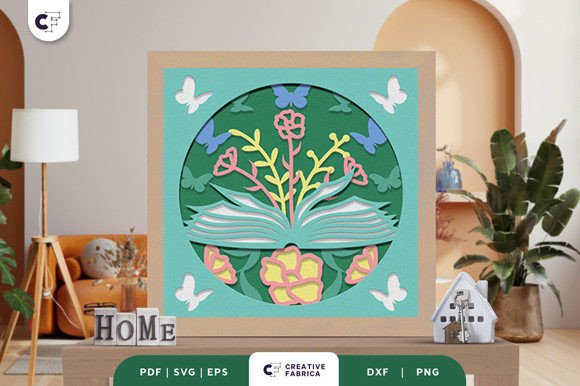
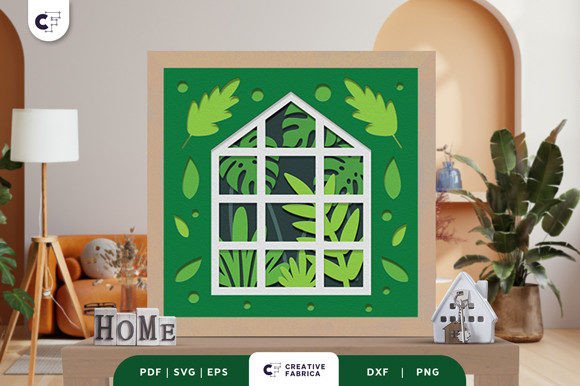
In the evolving landscape of visual communication, few assets bridge the gap between tactile craftsmanship and digital precision quite like the House Plant 3D Shadow Box Papercut SVG. This intricate design file represents more than just a decorative element; it is a sophisticated tool for designers seeking to inject depth, texture, and organic warmth into their creative projects. By leveraging the layered complexity of this floral greenhouse motif, graphic professionals can create mesmerizing illusions that captivate audiences and elevate brand storytelling.
From a professional graphic design perspective, the value of this asset lies in its versatility and structural integrity. The file typically includes seven distinct layers, formatted in SVG, PDF, EPS, PNG, and DXF, ensuring seamless compatibility across various design workflows. Whether you are working in vector-based software for logo design or raster programs for social media graphics, these formats provide the scalability needed for both print and digital applications. The 20.32×20.32 cm dimensions offer a perfect square composition, ideal for creating balanced visual hierarchies in editorial layouts or packaging design.
Enhancing Brand Identity Through Depth
Modern branding often struggles to stand out in a flat, two-dimensional digital environment. Incorporating elements that simulate three-dimensionality can significantly improve user engagement and perceived value. The House Plant 3D Shadow Box Papercut SVG allows designers to introduce a sense of physical presence without the cost of actual photography or complex 3D rendering. When used in brand identity systems, this botanical theme communicates a commitment to sustainability, growth, and a healthy environment—values that resonate deeply with contemporary consumers.
The interplay of light and shadow inherent in papercut art adds a layer of sophistication to marketing materials. For instance, using this asset in advertising campaigns can create a unique visual hook that draws the eye immediately. The intricate details of the greenhouse structure serve as a metaphor for protection and nurturing, making it an excellent choice for businesses in the wellness, real estate, or eco-friendly sectors.
Practical Applications Across Media
The utility of this design extends far beyond simple decoration. Its layered nature makes it adaptable for a wide range of creative projects, ensuring consistency across different touchpoints. Consider integrating this asset into your next project in the following ways:
- Packaging Design: Use the layered vectors to create embossed effects or die-cut windows on product boxes, adding a premium tactile experience.
- Social Media Graphics: Animate the layers slightly to create engaging motion graphics that highlight the depth of the design.
- Editorial Design: Incorporate the silhouette as a watermark or background texture in magazines and brochures to add subtle visual interest.
- Web and UI Design: Extract specific elements to use as icons or hero images that break the monotony of flat design trends.
- Merchandise: Apply the design to tote bags, posters, or stationery to create cohesive brand merchandise.
Optimizing Visual Hierarchy and Composition
When integrating such a detailed asset into a layout, maintaining visual hierarchy is crucial. The complexity of the seven-layer structure means it should often serve as the focal point, supported by clean typography and ample negative space. Designers should pair this organic imagery with modern, sans-serif typefaces to create a striking contrast between nature and structure. This balance ensures that the message remains clear while the visual aesthetic remains compelling.
Color palette selection also plays a vital role in maximizing the impact of the shadow box effect. While the original design may feature specific tones, the vector formats allow for complete customization. Aligning the colors with your existing brand system ensures that the asset feels native to your identity rather than an afterthought. For those looking to replicate the high-quality paper texture seen in professional mockups, selecting the right digital textures or referencing physical samples like Encore Cardstock 80 lb cover can guide your digital color grading to achieve a realistic finish.
Ultimately, the decision to use high-quality creative assets like the House Plant 3D Shadow Box Papercut SVG comes down to the desire for excellence in communication. In a world saturated with generic stock imagery, offering something with depth, story, and artisanal quality sets a brand apart. By thoughtfully selecting and adapting these design elements, creators can produce work that not only looks beautiful but also fosters a deeper emotional connection with their audience, proving that even in a digital age, the human touch remains paramount.