Baby Bear Nursery Room 3D Shadow Box Guide
There is a specific kind of magic that happens when you move from a flat digital screen to a tangible, layered physical object. The Baby Bear Nursery Room 3D Shadow Box captures this transition perfectly, offering a heartwarming project that bridges the gap between digital design files and cherished home decor. This isn't just another SVG cut file; it is a carefully constructed scene featuring an adorable baby bear nestled in a nursery setting, designed to bring depth and personality to any wall space. Whether you are a seasoned crafter looking for your next weekend project or a parent wanting to create something unique for a child's room, this design offers a perfect blend of simplicity and artistic flair.
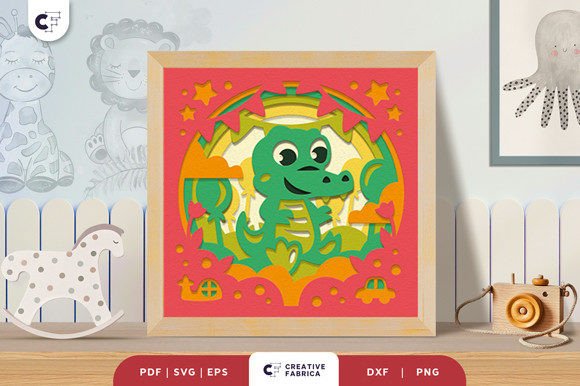
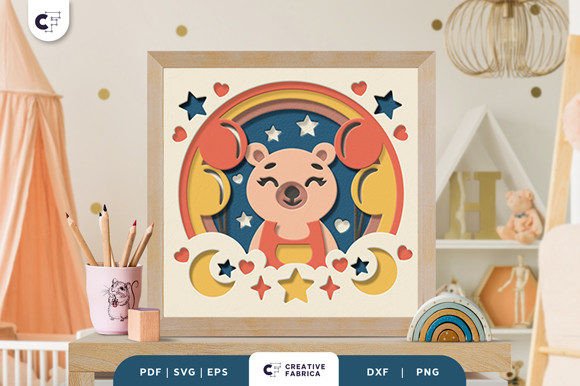
The visual appeal of this shadow box lies in its ability to tell a story through layers. Unlike standard display fonts or flat social media graphics that rely solely on color and shape, a 3D paper craft relies on light and shadow to create volume. The large baby bear and surrounding art pieces are rendered with soft, inviting lines that evoke a sense of comfort and warmth. When assembled, the interplay between the eight distinct layers creates a miniature world that draws the eye in. It serves as a gentle reminder that modern typography and digital assets can translate beautifully into the physical realm, influencing how we perceive space and atmosphere in our homes.
From Digital File to Tangible Art
One of the most compelling aspects of the Baby Bear Nursery Room 3D Shadow Box is its accessibility. You might assume that creating a multi-layered paper sculpture requires advanced engineering skills or expensive industrial equipment, but this design proves otherwise. The template is engineered so that even teens and kids can participate in the construction process, making it an excellent family activity. The design philosophy here mirrors the principles of good brand identity: clarity and consistency. By choosing a simple format with fewer intricate paper cuts, the creator ensures that the focus remains on the overall composition rather than getting lost in frustratingly tiny details.
To bring this vision to life, you will need eight paper files, which correspond to the different depths of the scene. The recommended material is Encore Cardstock 80 lb cover 216 gsm. This specific weight is crucial; it provides enough rigidity to hold the 3D structure without sagging, yet it is flexible enough to be cut cleanly. Using a lighter weight paper might result in a flimsy final product that loses its dimensional integrity, while something too heavy could be difficult for hobbyist cutting machines to handle. For those interested in sourcing the right materials, you can visit the 12×12 Cardstock Shop to find high-quality options that match the project's needs. This is a paid link at no extra cost to you, ensuring you get the reliability required for a professional-looking finish.
The construction process itself is a lesson in patience and precision, much like refining a logo design or laying out an editorial design. Safety and speed are paramount, which is why using a cutting machine is highly recommended over manual cutting with scissors or craft knives, especially if children are involved. A machine ensures that every curve of the baby bear and every edge of the nursery furniture is identical across all layers, maintaining the visual harmony of the piece. Furthermore, the choice of adhesive matters. Only use the best adhesive available—typically a strong double-sided tape or a precision glue pen—to ensure the layers stay securely bonded without warping the paper or leaving visible residue.
Design Versatility and Long-Term Appeal
While the immediate application of this creative font alternative is clearly nursery decoration, its utility extends far beyond the infant years. Good design is timeless, and this shadow box is built with longevity in mind. As kids get older, the item can easily transition from a baby's room to a child's bedroom or even a playroom. The heartwarming designs and neutral, warm color palette allow it to blend seamlessly with evolving interior styles. This adaptability is similar to selecting a versatile typeface for a growing business; it needs to work today but also have the flexibility to remain relevant tomorrow.
In the context of packaging design or web design, we often talk about visual hierarchy—guiding the viewer's eye to the most important elements first. A 3D shadow box operates on the same principle but uses physical depth instead of contrast or size. The foreground elements, likely the baby bear and immediate toys, pop out towards the viewer, while the background layers recede, creating a natural focal point. This teaches us valuable lessons about spatial awareness and composition that can be applied to various creative fields. For marketers and content creators, understanding how depth influences engagement can inspire more dynamic campaigns, whether they are physical installations or digital simulations of 3D spaces.
Moreover, the act of assembling this kit embodies a slow-living approach to creativity. In a world dominated by instant downloads and quick fixes, taking the time to layer paper, apply glue, and wait for it to set is a grounding experience. It allows the creator to imbue the object with intention. When you hang this finished piece on the wall, it carries the energy of the time spent making it. This emotional connection is what separates a mass-produced poster from a handmade design asset that becomes a family heirloom. It reinforces the idea that the value of a project isn't just in the final image, but in the process of creation.
Technical Specifications and Best Practices
For those ready to start their project, understanding the technical deliverables is key to a smooth workflow. The Baby Bear Nursery Room 3D SVG package is comprehensive, providing files in multiple formats to suit different software and hardware setups. You will receive the design in SVG, PDF, EPS, PNG, and DXF formats. This variety ensures compatibility whether you are using Silhouette Studio, Cricut Design Space, Adobe Illustrator, or other vector editing tools. The inclusion of DXF is particularly helpful for users with older machines or specific industrial cutters, while the SVG and EPS files offer the scalability needed for resizing without losing quality.
The project dimensions are set at 20.32×20.32 cm (approximately 8x8 inches), a standard size that fits well within most pre-made shadow box frames available at craft stores. The design consists of exactly eight layers, a number chosen to provide sufficient depth without making the frame too bulky or the assembly too complex. When preparing your files, it is essential to review the layers carefully before sending them to your cutter. Just as a publisher proofs a manuscript before printing, a crafter should verify that all cut lines are closed and that the registration marks are correct.
Concentration is the final, unlisted ingredient in this recipe. The tips for producing this shadow box emphasize that you should only attempt the assembly when you are focused and free from distractions. Rushing through the layering process can lead to misalignment, which breaks the illusion of depth and diminishes the overall impact of the artwork. Take your time to align each layer perfectly, checking the perspective from different angles as you go. This attention to detail is what elevates a craft project into a piece of art.
Ultimately, the Baby Bear Nursery Room 3D Shadow Box is more than just a collection of paper cuts; it is an exercise in creativity, patience, and design thinking. It demonstrates how digital tools can facilitate physical beauty and how simple materials can be transformed into something extraordinary. Whether you are decorating a nursery, teaching a child about spatial relationships, or simply enjoying a quiet afternoon of crafting, this project delivers real-world value. It reminds us that in design, as in life, the layers we build up over time create the most meaningful pictures.