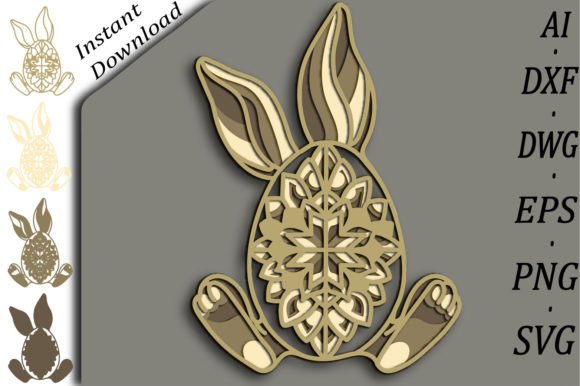
Evaluating the Easter Egg 3D SVG Paper Cut Multilayered Design
The Easter Egg 3D SVG Paper Cut Multilayered design represents a specific category of digital assets tailored for modern crafting technologies. Unlike traditional flat illustrations, this file type is engineered to create depth and dimension when processed through cutting machines or laser engravers. For individuals researching options for seasonal decor, card making, or gift packaging, understanding the technical specifications and practical applications of this multilayered format is essential before making a selection.
This article provides an objective evaluation of the Easter Egg 3D SVG Paper Cut Multilayered file, examining its structure, compatibility, and suitability for various crafting scenarios. The goal is to help you determine if this specific digital product aligns with your equipment capabilities and project goals.
Understanding the Multilayered Structure
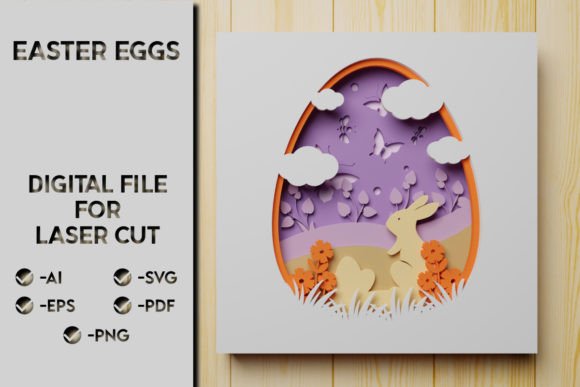
At its core, the Easter Egg 3D SVG Paper Cut Multilayered design is a vector-based composition divided into distinct strata. In paper crafting, "multilayered" refers to a design where separate pieces of paper are cut and stacked upon one another to create a shadow effect or a true three-dimensional appearance. This particular design focuses on the motif of an Easter egg, utilizing overlapping shapes to simulate texture, shading, and volume without requiring hand-drawing or complex manual scoring.
A critical feature of high-quality files in this category is organization. A well-organized design ensures that layers are attached logically within the file structure. When layers are grouped correctly and free from discrete, floating parts that do not belong to the main assembly, the cutting process becomes significantly more efficient. This structural integrity minimizes the risk of misalignment during the weeding process (removing excess material) and ensures that the final assembly matches the digital preview.
Technical Compatibility and File Formats
When evaluating a digital download for laser cutting or die-cutting, file format versatility is a primary consideration. A comprehensive package for an Easter Egg 3D SVG Paper Cut Multilayered project typically includes multiple file types to accommodate different software and hardware ecosystems.
- SVG (Scalable Vector Graphics): This is the industry standard for most consumer cutting machines, such as Cricut and Silhouette. It allows for infinite scaling without loss of quality and preserves layer data for easy separation.
- AI (Adobe Illustrator) and EPS (Encapsulated PostScript): These formats are essential for professional users utilizing Adobe Creative Cloud or CorelDRAW. They offer advanced editing capabilities for modifying node points or adjusting layer spacing before sending the file to a laser cutter.
- PDF (Portable Document Format): A "Ready for Print" PDF is often included for users who may not have vector editing software but wish to print the design directly onto cardstock for manual cutting or simpler plotter workflows.
- PNG (Portable Network Graphics): While not used for cutting paths, a high-resolution PNG serves as a visual reference for color selection and layer ordering during the assembly phase.
The inclusion of these varied formats ensures that the Easter Egg 3D SVG Paper Cut Multilayered design is accessible to both hobbyists using entry-level machines and professionals operating industrial laser systems.
Benefits and Practical Applications
There are several compelling reasons to select a pre-designed multilayered SVG over creating a design from scratch. The primary benefit is time efficiency. Constructing a 3D paper cut design manually requires a deep understanding of light, shadow, and structural engineering to ensure the layers stack correctly without collapsing. A professionally organized file eliminates this trial-and-error phase.
Furthermore, the precision offered by digital files enhances the final aesthetic. Laser cutters and electronic die-cutters can achieve tolerances that are difficult to replicate with handheld tools. This precision is particularly important for intricate Easter egg patterns, where fine details define the visual appeal. Situations where this design is a strong fit include:
- Greeting Cards: The layered effect creates a pop-up element that adds a tactile quality to holiday correspondence.
- Home Decor: When framed with a shadow box, the 3D nature of the cut transforms a simple paper egg into a piece of wall art.
- Gift Tags and Packaging: The design can be scaled down to serve as an elegant embellishment for gift boxes or treat bags.
- Educational Projects: For those teaching design or geometry, assembling the layers provides a hands-on lesson in spatial reasoning.
Considerations and Tradeoffs
While the Easter Egg 3D SVG Paper Cut Multilayered design offers significant advantages, it is important to acknowledge the tradeoffs and requirements involved in its use. The most notable consideration is material consumption. Because the design relies on stacking multiple layers to achieve depth, it requires more paper than a single-layer cut. Crafters must account for this increased material cost, especially when using premium cardstocks or specialty papers.
Additionally, the assembly process demands patience and dexterity. Unlike a "cut and stick" single-layer project, multilayered designs require precise alignment. Each layer must be adhered securely to the one beneath it, often using foam adhesive squares or liquid glue to maintain the intended spacing. For individuals seeking a quick, last-minute craft solution, the time investment required for assembly might be a deterrent.
Another factor to consider is machine capability. While the files are optimized for cutting, not all machines handle intricate, multi-pass jobs with equal ease. Users with older or less precise cutting plotters may need to adjust speed and pressure settings to prevent tearing delicate connections between layers. Similarly, laser cutter users must ensure their kerf (the width of the cut) is accounted for, although well-organized files usually minimize issues related to part displacement.
When to Consider Alternatives
Despite the versatility of the Easter Egg 3D SVG Paper Cut Multilayered format, there are scenarios where alternative approaches may be more appropriate. If your primary goal is mass production where speed is the only metric that matters, a single-layer stencil or a print-and-cut option might yield faster results, albeit with less visual depth.
Similarly, if you lack access to a cutting machine or laser engraver entirely, relying on a complex SVG file may lead to frustration. In such cases, a simplified printable template or a pre-made physical kit might be a better fit. Furthermore, designers who prioritize total creative control over every curve and angle may prefer purchasing basic shape bundles to construct their own unique eggs rather than using a pre-composed multilayered scene.
Making the Decision
Selecting the right digital asset comes down to matching the file's capabilities with your specific resources and objectives. The Easter Egg 3D SVG Paper Cut Multilayered design is an excellent choice for crafters who value dimensional aesthetics and possess the necessary tools to execute precise cuts. It bridges the gap between digital design and physical artistry, offering a structured pathway to creating professional-looking seasonal items.
Before downloading, verify that your software can interpret SVG, AI, or EPS files and that your cutting equipment is calibrated for detailed work. If you are prepared to invest the time in assembly and have the appropriate materials, this type of design can elevate your Easter projects significantly. However, if simplicity and speed are your highest priorities, you may want to evaluate simpler, flat-design alternatives.
Ultimately, the value of this product lies in its organization and readiness. A file that arrives with attached layers and no discrete, problematic parts streamlines the workflow, allowing you to focus on the creative aspects of color selection and presentation rather than troubleshooting file errors. By understanding these dynamics, you can make an informed decision that best supports your crafting endeavors.